World AI Power

ENERGY INFRASTRUCTURE FOR THE AI ERA

Intelligence
needs power.

The next chapter of AI starts with the infrastructure beneath it.

Connect energy, electrical systems and high-density compute through sourced research, industry resources and practical planning tools.

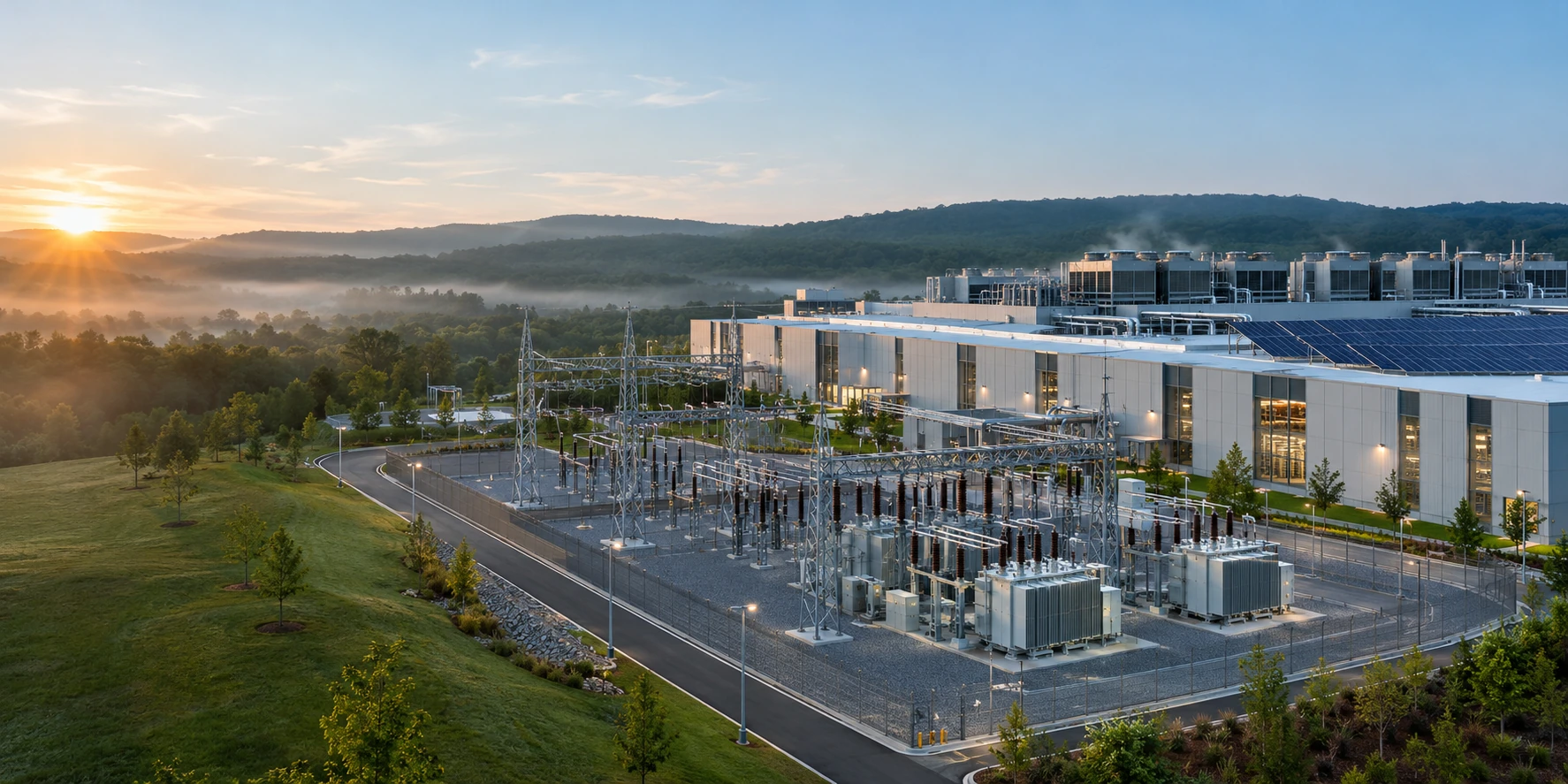
Modern data center campus with a connected electrical substation at sunrise
FROM THE GRID TO THE AI RACKCONNECTED THINKING. PHYSICAL INFRASTRUCTURE.

A SYSTEMS VIEW
OF AI POWER

01Power availabilityConnection, supply and timing
02Operational resilienceContinuity, quality and recovery
03Efficient deliveryElectrical and thermal alignment
04A route to scalePhasing, flexibility and growth

UNDERSTAND THE FULL POWER CHAIN

Every layer
shapes the next.

AI infrastructure brings energy and compute decisions together. Explore the questions that connect a grid connection to a working AI environment.

THE STARTING POINT

Start with the connection.

A site’s power story starts with available capacity, connection conditions and an energization path that matches the development plan.

  • Confirm firm capacity and connection milestones.
  • Align the load profile with utility requirements.
  • Understand upgrade dependencies and phased demand.
Put the load into context →
↗
CONNECTGrid & utility interface
01
ϟ
SUPPORTSite energy & resilience
02
▥
DELIVERElectrical distribution
03
⌁
COORDINATEAI load & operations
04

Power-chain overview · Architecture varies by project.

AN EARLIER, BETTER POWER CONVERSATION

Turn a rack plan
into a power scenario.

Use a simple screening estimate to make your assumptions explicit. Compare scenarios, then take a clear brief to your utility and engineering partners.

Power planning calculator

ILLUSTRATIVE SCENARIO

PUE measures facility energy divided by IT energy. Here it supplies a simple overhead assumption. Peak load, redundancy, connection ratings and equipment sizing need project-specific engineering.

PUE definition · The Green Grid ↗

PLANNING ALLOWANCE

6.24MW

Using the assumptions shown.

IT load4.00 MW
Facility estimate5.20 MW
Added headroom1.04 MW
IT Facility overhead Headroom

A screening scenario using your inputs. The allowance is a planning calculation; it is not a confirmed utility allocation or a design specification.

Save an estimate, then change the inputs to compare.
Continue to project workspace ↗

DIFFERENT TEAMS. CONNECTED DECISIONS.

Start with the questions
that matter to you.

A common power brief helps development, energy and investment teams discuss the same project with the same assumptions.

01 / DEVELOPMENT

Developers
& operators

Connect the compute roadmap to the physical delivery plan.

  • Target IT load and rack density
  • Phased energization schedule
  • Power and cooling dependencies
  • Resilience and maintenance strategy
Create a starting brief →

02 / ENERGY

Utilities
& energy teams

Make the load, timing and operating behavior visible early.

  • Firm capacity and ramp-up profile
  • Connection studies and milestones
  • Generation and storage interfaces
  • Power quality and flexibility
Explore the ecosystem →

03 / STRATEGY

Investors
& infrastructure partners

Understand the power assumptions behind the opportunity.

  • Time to power and key dependencies
  • Phasing and expansion options
  • Supply strategy and operating risks
  • Evidence behind capacity claims
Read the market research →

RESEARCH THAT LEADS SOMEWHERE

Understand the market.
Prepare for the project.

The IEA’s 2026 outlook projects a substantial rise in global data-center electricity demand. Put the numbers in context, then explore the organizations behind the power chain.

485 TWh2025 · Reference estimate
950 TWh2030 · Central projection

All global data centers, including AI workloads. Annual energy use, not site capacity. IEA, April 2026 ↗

THINK ACROSS THE SYSTEM

Power. Cooling.
Controls. Connected.

Higher-density AI changes more than the number on a utility application. Electrical architecture, thermal design and operating controls need to be considered together.

01

Define the load

Separate rack nameplate, expected IT demand, overhead and future phases.

02

Test the power path

Map supply, conversion, storage, distribution and the response to rapid load changes.

03

Plan the transition

Identify the studies, equipment, permissions and commissioning milestones that connect each phase.

POWER, EXPLAINED

A few useful
distinctions.

How is IT load different from facility demand?+

IT load covers computing, storage and networking equipment. A facility also needs power for cooling, electrical losses and other supporting systems. The calculator applies your selected multiplier to make that overhead assumption visible.

Does storage replace a utility connection?+

Storage has power, energy-duration and operating limits. It can support ride-through, load management or a wider energy strategy, depending on its design. The appropriate role depends on the load, recharge plan, operating requirements and the rest of the power system.

What belongs in an early power brief?+

Include the location and timeline, initial and future IT load, expected rack density, operating profile, overhead assumptions, resilience objectives and key constraints. The downloadable brief records your calculator inputs and a checklist for the next discussion.

CORPORATE ENQUIRIES

A powerful name.
An infrastructure-scale conversation.

For WorldAIPower.com domain ownership, licensing and strategic partnership enquiries, contact World Domains Center.

Contact Us ↗